
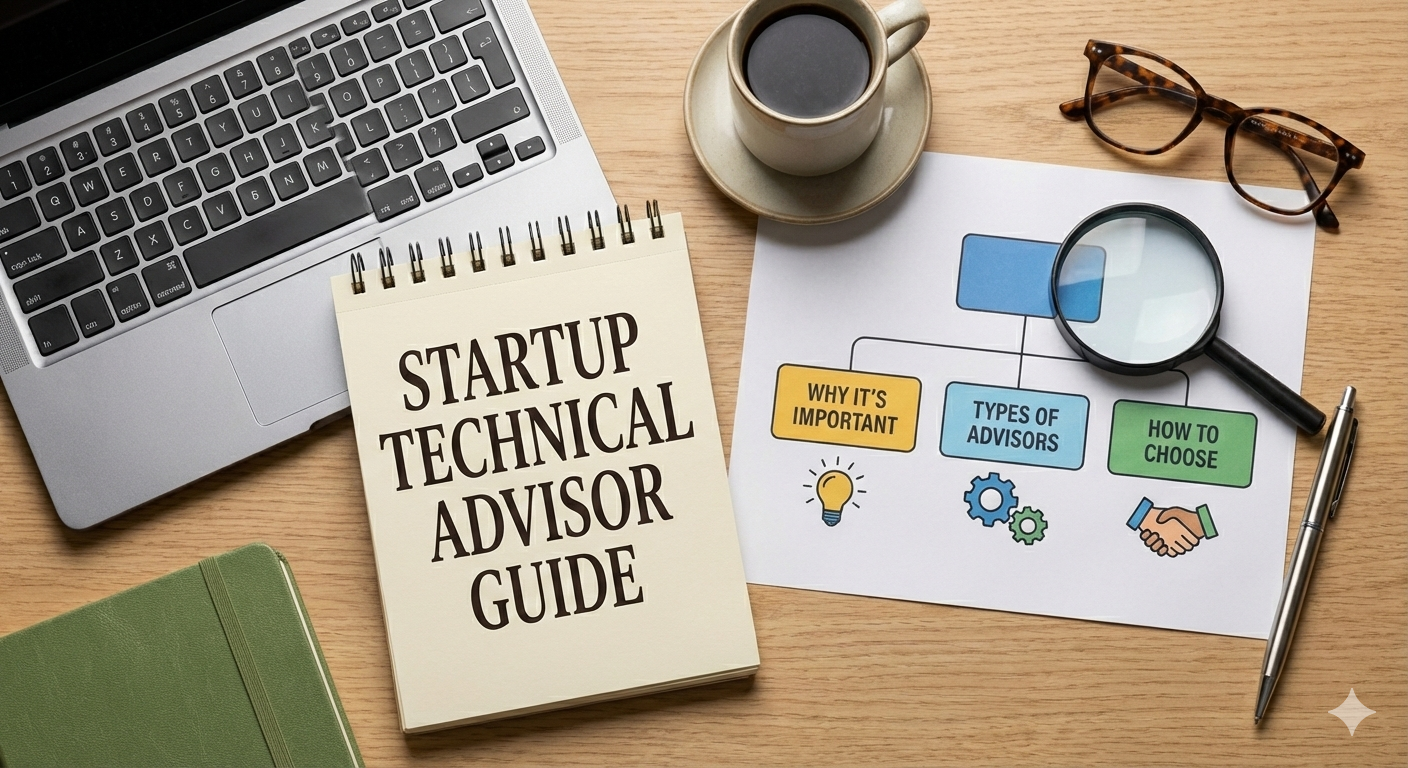
Starting a startup is exciting, but handling the technical side can be confusing. Whether you're not from a tech background or an experienced developer, having a good startup technical advisor can make a big difference. This guide will help you understand why a technical advisor is very important, what types you may need, and how to choose the right one for your startup.
Why Your Startup Needs a Technical Advisor
A technical advisor brings invaluable expertise to your startup, helping you make informed decisions about technology choices, product development, and scaling strategies. They act as a bridge between your business goals and the technical execution required to achieve them, often working closely with your Technology Solution Provider to ensure the right architecture and tools are in place. For SaaS startups, in particular, a technical advisor can guide you in developing a product that meets customer needs, satisfies investors, and is ready to scale efficiently.
Types of Technical Advisors: Strategic vs. Tactical
Understanding the roles of different technical advisors can help you identify which type aligns with your startup's needs.
Strategic Technical Advisor
This type of advisor helps you plan the overall technology direction of your startup. They help you think long-term and avoid mistakes early on.
- What is the roadmap to reach your Minimum Viable Product (MVP) and beyond?
- When and how should you bring on development talent?
- Which technical frameworks are best suited for your product?
Their role is to ensure that your technology choices align with your business objectives.
Tactical Technical Advisor
This advisor helps with the small, important details of building your product. They focus on things like:
- Ensuring the product is built for scalability.
- Verifying that the product has the right functionality.
- Maintaining control over the development process, especially when outsourcing.
Their goal is to guide your development team in building a robust and scalable product.
Depending on your startup's stage and challenges, you might need one or both types of advisors.
Benefits of Having a Technical Advisor
Engaging a technical advisor offers several advantages:
- Expert Guidance: They provide insights based on experience, helping you avoid common pitfalls.
- Network Access: Their connections can open doors to potential partners, investors, and talent.
- Credibility: Having a reputable advisor can enhance your startup's credibility with stakeholders.
- Strategic Planning: They assist in aligning your technology roadmap with business goals.
Where to Find the Right Technical Advisor
Finding a technical advisor who fits your startup involves exploring various avenues:
- Personal and Professional Networks: Start by tapping into your existing networks. Attend industry events, join startup communities, and leverage platforms like LinkedIn to connect with potential advisors.
- Startup Incubators and Accelerators: These programs often have a roster of experienced mentors and advisors. Participating in such programs can provide access to individuals who have a track record of guiding startups.
- Work with Advisory Services: Some companies and teams offer special help to startups. They can connect you with experts who will give you advice on your product and technology.
- Ask for Recommendations: If you have a small team, mentors, or investors, ask them if they know any good technical advisors. Getting a referral from someone you trust can save you a lot of time.
Looking for a Partner to Guide You Through This?
If you're searching for technical guidance, mentorship, or even fractional CTO support tailored to early-stage ventures, NuCode Tech Capital works directly with startups like yours. We help turn ideas into scalable, high-performance products—fast.
Evaluating Potential Technical Advisors
When considering a technical advisor, assess the following criteria:
- Experience: Do they have a background in startups similar to yours?
- Expertise: Is their technical knowledge aligned with your product's needs?
- Availability: Can they commit the time required to support your startup?
- Communication Skills: Are they able to convey complex technical concepts in an understandable manner?
Formalizing the Relationship
Once you've identified a suitable advisor, it's essential to formalize the relationship:
- Define Roles and Expectations: Clearly outline the advisor's responsibilities and the scope of their involvement.
- Compensation: Decide on compensation, which could be equity-based or a fixed fee.
- Legal Agreements: Draft an advisor agreement detailing confidentiality, intellectual property rights, and other pertinent terms.
Conclusion
A technical advisor can be a pivotal asset in your startup's journey, providing the expertise and guidance necessary to navigate the complex technical landscape. By understanding the types of advisors, knowing where to find them, and evaluating them effectively, you can secure a partnership that propels your startup toward success.
US
22/05/2025

Starting a startup is exciting, but handling the technical side can be confusing. Whether you're not from a tech background or an experienced developer, having a good startup technical advisor can make a big difference. This guide will help you understand why a technical advisor is very important, what types you may need, and how to choose the right one for your startup.

nuCode Tech Capital

US
17/12/2025
In a rapidly changing digital world, businesses need more than just developers — they need a technology solution provider and technical partner who understands their goals, anticipates challenges, and builds technology that drives success. Whether you're a startup shaping your first MVP or an established company looking to modernize, partnering with the right tech team mak...
nuCode Tech Capital